
Why Asbestos Inspection in Rhode Island Is Critical for Older Properties
asbestos inspection Rhode Island is something every owner of a pre-1980 building should take seriously — especially before any renovation, demolition, or sale.
Here is a quick summary of what you need to know:
| Question | Quick Answer |
|---|---|
| Who needs an inspection? | Owners of buildings built before 1980, especially pre-1970 |
| When is it required? | Before renovations, demolition, or when materials are damaged |
| Who can inspect? | Only RIDOH-certified asbestos inspectors |
| Where is asbestos found? | Insulation, floor tiles, roofing, pipe wraps, popcorn ceilings |
| What happens if found? | A licensed abatement contractor removes or encapsulates it |
| Can I test myself? | No — DIY testing is unsafe and not recommended |
Rhode Island has thousands of older homes and commercial buildings. Many were built during the decades when asbestos was standard in construction materials — from floor tiles and pipe insulation to roofing shingles and ceiling texture. When those materials are disturbed, they release microscopic fibers into the air. Those fibers are linked to serious diseases like mesothelioma, asbestosis, and lung cancer — often not showing up until decades after exposure.
The good news? A professional asbestos inspection can identify hazards before they become a health or legal problem.
I’m Stephen Wenzel, Co-Owner and Executive Vice President of Banner Environmental Services, with over 25 years of hands-on experience in asbestos inspection Rhode Island and environmental remediation across New England. In this guide, I’ll walk you through exactly how to find a certified inspector, what the process looks like, and what Rhode Island regulations require.
Understanding Asbestos Risks in Rhode Island Properties
Asbestos isn’t just one thing; it’s a group of six naturally occurring minerals—including chrysotile, amosite, and crocidolite—that were prized for their incredible heat resistance, strength, and chemical stability. Because these minerals are non-conductive and virtually fireproof, they were woven into thousands of building products between 1900 and 1980.
In Rhode Island, our beautiful historic architecture often hides these “miracle” minerals. If your building was constructed before 1980, and particularly between 1950 and 1980, there is a very high probability that it contains asbestos.
Where is it Hiding?
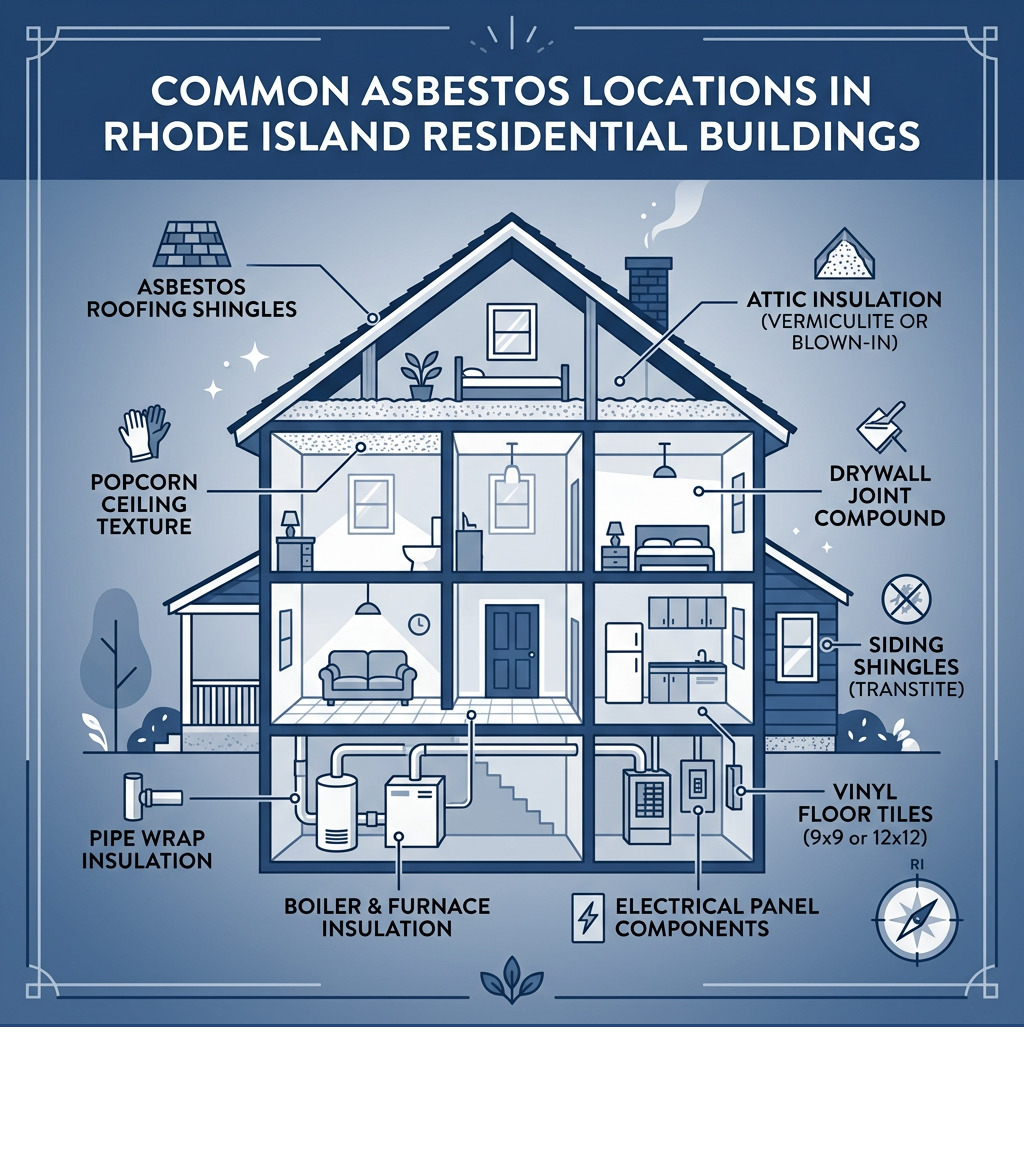
We often find asbestos in the following areas during a standard asbestos inspection Rhode Island:
- Popcorn Ceilings: These textured surfaces generally contain between 1% and 10% asbestos. Because they are “friable” (easily crumbled by hand), even a minor disturbance can release toxic dust.
- Flooring: Vinyl floor tiles from the mid-20th century often came in 9×9, 12×12, or 18×18 inch sizes. Even if the tile is safe, the “black mastic” adhesive used to glue it down frequently contains asbestos.
- Insulation: This was the most common use. We see it in steam pipe wraps, boiler insulation, and wall cavities.
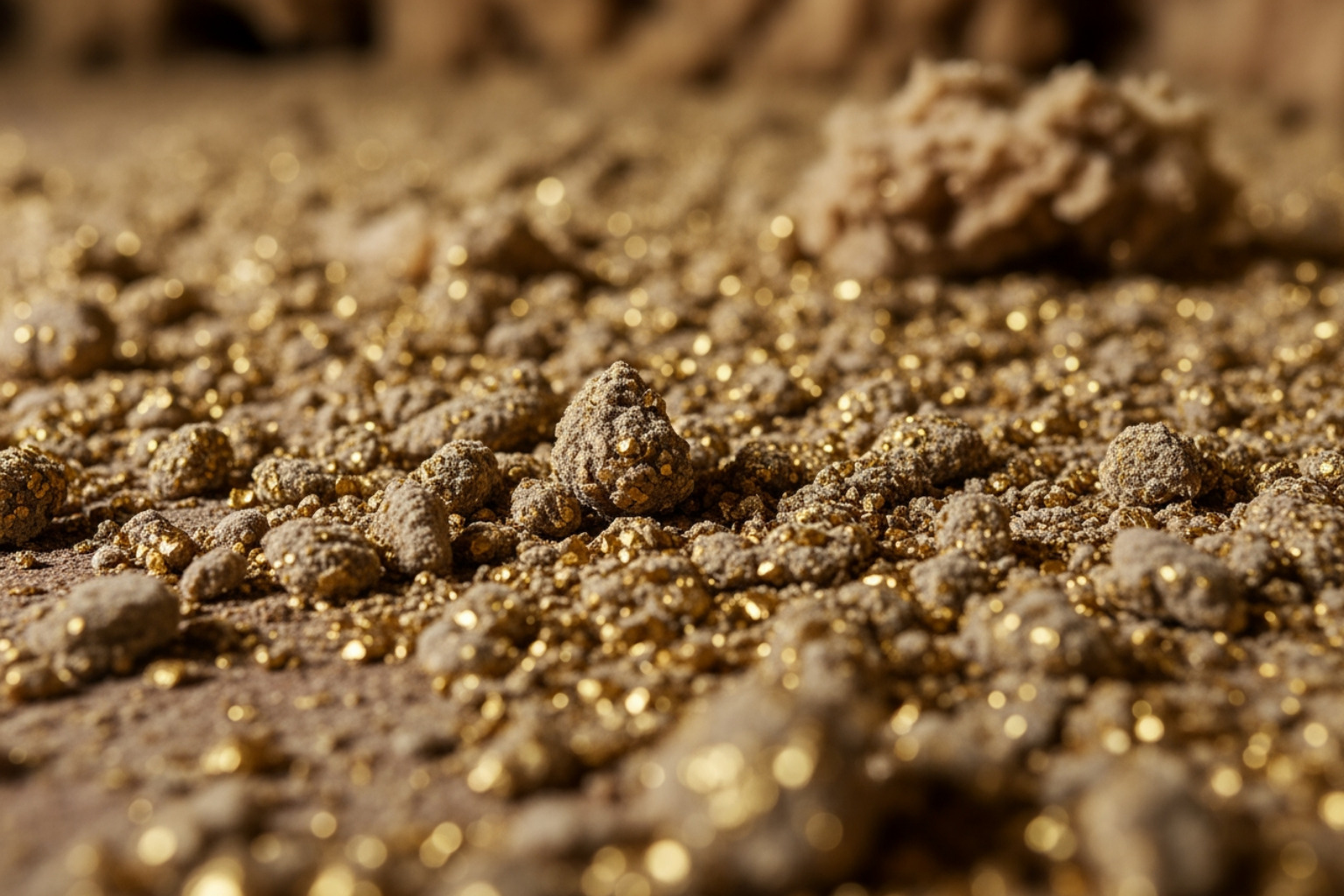
- Vermiculite: This pebble-like attic insulation often contains tremolite asbestos. If you see shiny, gold-brown flakes in your attic, don’t touch them. You can learn more about our vermiculite abatement services to see how we handle these specific cases.
- Exterior Materials: Roofing shingles and cement siding (often called transite) were designed to be weather-resistant using asbestos fibers.
The Health Toll
The danger lies in the shape of the fibers. They are microscopic and needle-like. When inhaled, they hook into the lining of the lungs or abdomen. Because the body cannot break them down, they stay there for decades, causing inflammation and scarring. This leads to:
- Mesothelioma: A rare and aggressive cancer of the chest or abdominal lining, almost exclusively caused by asbestos.
- Asbestosis: A chronic lung disease caused by scarring of lung tissue, making it difficult to breathe.
- Lung Cancer: The risk is significantly higher for those who smoke and have been exposed to asbestos.
Symptoms often take 10 to 40 years to appear, which is why we treat every “suspect” material with extreme caution.
The Importance of a Professional Asbestos Inspection in Rhode Island
You might be tempted to just “rip and replace” during a weekend DIY project, but in Rhode Island, that can be a legal and health nightmare.
Why You Can’t Skip the Inspection
State and federal laws, including Asbestos Inspections Required Prior to Demolitions, mandate that public and commercial buildings—and many residential structures—be inspected before any activity that might disturb asbestos.
When you hire a licensed asbestos contractor RI, you aren’t just checking a box for the building inspector. You are ensuring that:
- Fibers Stay Contained: Professionals use specialized equipment, like HEPA-filtered vacuums and negative air machines, to ensure no dust escapes the work area.
- Accurate Identification: You can’t tell if a floor tile contains asbestos just by looking at it. It requires laboratory confirmation.
- Lead Safety: In older RI buildings, asbestos and lead often go hand-in-hand. While asbestos was used for insulation, lead-based paint was the standard until 1978. A professional can often help coordinate the necessary checks for both.
DIY sampling is incredibly risky. Breaking off a piece of a popcorn ceiling or cutting into pipe wrap without proper “wetting” techniques or PPE (Personal Protective Equipment) can contaminate your entire home in seconds.
How the Asbestos Inspection and Testing Process Works
A professional asbestos inspection Rhode Island is a methodical process. We don’t just walk in and start grabbing chunks of your walls.
1. Visual Inspection and Survey
First, we conduct what is known as an asbestos survey. We walk through the property to identify all “suspect” materials. We look at the age of the building, the condition of the materials (are they “friable” or “non-friable”?), and the likelihood of them being disturbed. You can read more about what an asbestos survey entails on our specialized service page.
2. Physical Sampling
If we find suspect material, we collect physical samples. To do this safely, we:
- Mist the area with water to prevent dust.
- Use plastic sheeting to catch any debris.
- Place the sample in a double-sealed, airtight container.
- Clean the area with a HEPA vacuum.
3. Lab Analysis and Air Testing
Samples are sent to a Rhode Island-certified laboratory. For air testing, there are two primary methods used to count fibers:
| Method | Full Name | Use Case | Accuracy |
|---|---|---|---|
| PCM | Phase Contrast Microscopy | Fast, daily monitoring on job sites | Good for general fiber counts; can’t distinguish asbestos from other fibers. |
| TEM | Transmission Electron Microscopy | Final clearance testing | Excellent; uses electron beams to identify specific asbestos minerals. |
TEM is the gold standard for ensuring a room is safe to re-occupy. If you are in a hurry, we can often arrange for rush results. For more on the specifics of the testing phase, visit our asbestos abatement and testing details page.
Rhode Island Regulations and Licensing Requirements
Rhode Island has some of the strictest environmental regulations in the country, managed largely by the Rhode Island Department of Health (RIDOH).
The RI Asbestos Act
Under the RI Asbestos Act, certain buildings, particularly schools, are considered “high priority” and require regular inspections and management plans. If you are a property owner, you must ensure your inspector is licensed by the state. You can look up licensed asbestos and lead contractors through regional health databases to verify credentials.
Abatement Plans and Disposal
If an inspection reveals that asbestos must be removed, a licensed contractor must develop a formal Abatement Plan. This plan describes exactly how the work will be done, how the air will be monitored, and where the waste will be disposed of.
Interestingly, disposing of this waste is a massive undertaking for the region. For context, in 2023-2024, our neighbors in New Hampshire disposed of over 76,000 tons of asbestos waste in specialized landfills. Rhode Island follows similarly strict protocols to ensure that once asbestos is removed from your home, it is buried safely in a permitted facility.
If you’re dealing with a project in the capital, we specialize in asbestos abatement in Providence RI, ensuring every step from the initial inspection to the final waste characterization meets OSHA and EPA standards.
Frequently Asked Questions about Asbestos Inspection Rhode Island
What should I do if an asbestos inspection Rhode Island reveals hazards?
Don’t panic! Finding asbestos doesn’t always mean you have to move out or spend a fortune. If the material is in good condition and won’t be disturbed, the best course of action is often to leave it alone. However, if it is damaged or in the way of a renovation, you have two main options:
- Encapsulation: Sealing the asbestos with a specialized coating so fibers cannot become airborne.
- Professional Removal: Complete extraction of the material by a licensed team.
We provide a variety of asbestos abatement and survey options to fit your specific situation. Our remediation services are designed to handle everything from small residential pipe wraps to large-scale commercial projects.
How do I get a quote for an asbestos inspection Rhode Island?
Getting a quote is straightforward. We typically look at the age of the property, the square footage, and the number of suspect materials that need sampling. If you are planning a demolition in Providence, we can bundle the inspection with the demolition planning to save you time.
Is DIY asbestos sampling safe for homeowners?
In a word: No. While you can buy “test kits” at big-box stores, we strongly advise against them. Homeowners often lack the high-efficiency respirators and “wet-method” tools needed to prevent cross-contamination. If you accidentally release fibers into your HVAC system, a simple $500 inspection could turn into a $10,000 whole-house decontamination project. It’s always safer to let a certified professional handle the sampling.
Conclusion
Protecting your health and your property investment starts with accurate information. Whether you are buying a historic home in Newport, renovating a multi-family in Pawtucket, or managing a commercial space in Providence, a professional asbestos inspection Rhode Island is your first line of defense.
At Banner Environmental Services, we bring over 25 years of experience to every job. As a WBE and DCAMM-certified company, we pride ourselves on transparency, safety, and strict compliance with all RIDOH and EPA regulations. We serve all of Rhode Island, from Warwick and Cranston to Woonsocket and beyond.
Don’t leave your safety to chance. Request an asbestos inspection and testing quote from our licensed team today, and let us help you breathe easier.